High Backswing vs Low Backswing: Which One Fits Your Game?
What Is a High vs Low Backswing?
High Backswing vs Low Backswing. Which one is better?
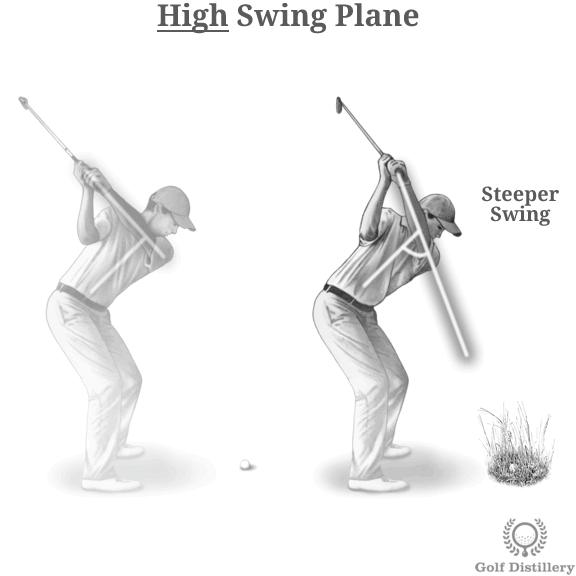
In simple terms, a high backswing lifts the arms more vertically, creating a steeper swing plane, while a low backswing stays more around the body, producing a flatter plane. Neither is inherently “correct”—both exist on professional tours. The key difference lies in how they influence timing, consistency, and ball flight.
If you haven’t yet, read:
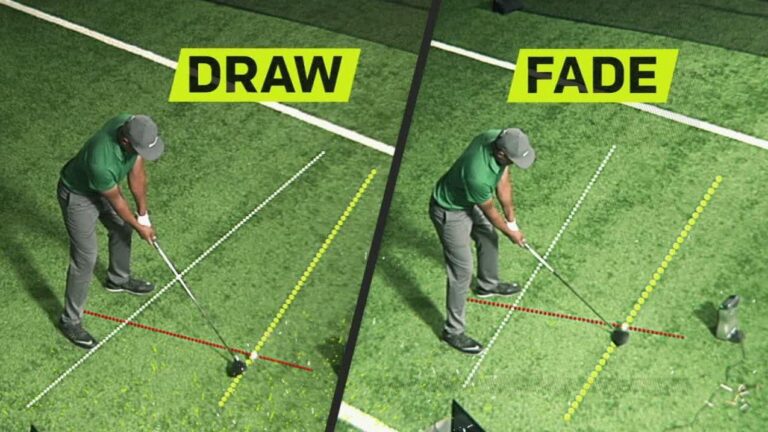
👉 Draw vs Fade: Which Shot Shape Should Amateur Golfers Trust? (internal link)
Why Amateurs Struggle With Backswing Height


6
Most amateurs don’t actually choose a backswing—they fall into one. A high backswing often leads to an “over-the-top” move, causing slices. A low backswing, on the other hand, can get too far behind the body, leading to hooks or blocks. The issue isn’t the height itself, but the lack of structure and awareness
High Backswing: Easier Power, Harder Control


6
A higher backswing tends to create a steeper angle of attack, which can help generate power and solid contact—especially with irons. However, it also requires precise timing. If the transition isn’t smooth, the club moves outside the target line, leading to pulls or slices. For amateurs, this often shows up under pressure.
Low Backswing: Better Flow, Risk of Getting Stuck


6
A lower, flatter backswing promotes a more rotational and fluid motion. Many players feel it’s easier to repeat, especially with the driver. But if it gets too flat, the club can drop too far inside, forcing last-second corrections. That’s when hooks and blocks appear
Which One Should You Choose?
The best backswing is the one you can repeat under pressure. Most amateurs benefit from a slightly neutral plane—neither too high nor too low. Instead of forcing positions, focus on balance, rhythm, and a connected turn. Your natural swing will settle into a functional plane.
6
Why Amateurs Get It Wrong


5
7
7
6
Most amateurs don’t actually choose a backswing—they fall into one. A high backswing often leads to an “over-the-top” move, causing slices. A low backswing, on the other hand, can get too far behind the body, leading to hooks or blocks. The issue isn’t the height itself, but the lack of structure and awareness.
High Backswing: Easier Power, Harder Control
6
A higher backswing tends to create a steeper angle of attack, which can help generate power and solid contact—especially with irons. However, it also requires precise timing. If the transition isn’t smooth, the club moves outside the target line, leading to pulls or slices. For amateurs, this often shows up under pressure.
Low Backswing: Better Flow, Risk of Getting Stuck
6
A lower, flatter backswing promotes a more rotational and fluid motion. Many players feel it’s easier to repeat, especially with the driver. But if it gets too flat, the club can drop too far inside, forcing last-second corrections. That’s when hooks and blocks appear.
Crazygolflab Insight
At Crazygolflab, we see golfers obsess over how their backswing looks instead of how it functions. The truth is, both high and low backswings can work—but only if they match your sequencing.
Stop chasing a “perfect” position at the top. Instead, focus on starting your downswing in balance and with good tempo. When your transition improves, your backswing naturally organizes itself—and that’s when consistency begins.


8
At Crazygolflab, we often remind players that backswing height is a byproduct, not a priority. When you try to manually lift the club higher or force it lower, you interrupt the natural sequence of the swing. That’s when timing breaks down and inconsistency shows up—especially on the course where pressure magnifies small errors.
Instead, build your swing around tempo and connection. If your takeaway stays connected to your body and your transition starts from the ground up, your backswing will naturally settle into the right plane for you. This is why two golfers can look completely different at the top but produce equally solid shots.
A simple way to train this is to focus on your finish position, not your backswing. Hold your finish for three seconds after every shot. If you can stay balanced, your swing was likely efficient. If not, something in your sequence broke down. Over time, this shifts your attention away from positions and toward motion.
Ultimately, the goal isn’t a high or low backswing—it’s a repeatable motion under pressure. When your swing is built on rhythm instead of manipulation, you stop thinking about where the club is and start trusting where the ball will go.