Body Turn Swing vs Arm Swing: Which Pros Use Them and What Can You Learn?
Body turn swing vs arm swing
One of the biggest questions in golf instruction is this:Do professional golfers rely more on a body turn swing or an arm-dominant swing?If you watch different players, the confusion only gets worse. Some swings look powerful and rotational, while others look smooth and arm-driven.So what’s really happening?
Body Turn Swing Pros and Their Characteristics
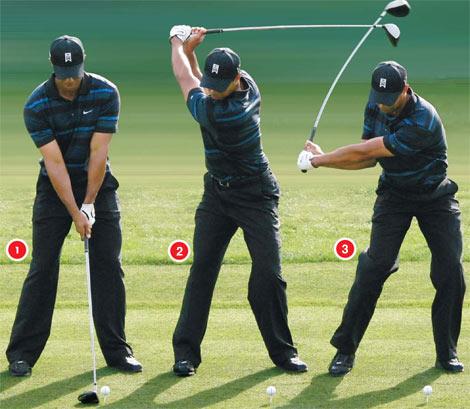
Many top players are known for using a body-driven swing, where power comes from ground force and rotational sequencing.
Examples
Tiger WoodsRory McIlroyKey Characteristics:Strong hip and torso rotationArms stay connected to the body Efficient energy transfer (ground → body → arms → club)Extremely consistent ball striking
Body Turn vs Arm Swing
Why It Works
Body turn players rely less on timing and more on structure. This makes their swing more repeatable—especially under pressure.
The Truth: Most Pros Use a Blend
Here’s the reality most amateurs miss:
👉 There is no pure “body swing” or “arm swing” at the professional level.
Even body turn players use their arms, and arm-based players still rotate their bodies. The difference is simply which part dominates the feel of the swing.
What Amateur Golfers Should Focus On
Trying to copy professional swings can lead to more confusion.
Instead, ask yourself:
- Do I struggle with consistency? → Focus on body turn
- Do I feel too stiff? → Allow more arm flow
- Do I rely too much on hands? → Add structure with rotation
Body Turn vs Arm Swing
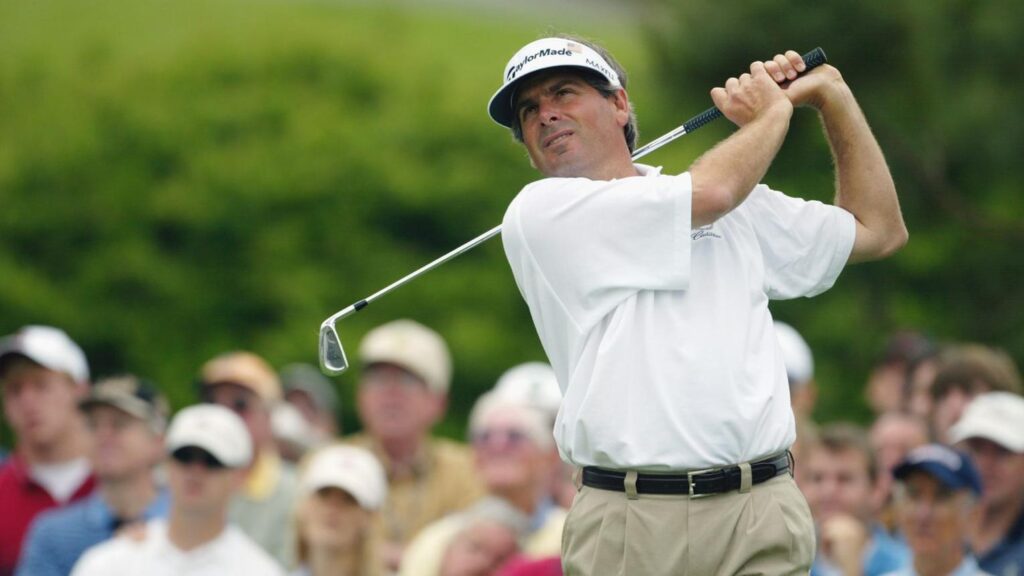
Related: Body Turn vs Arm Swing Basics
If you’re still unsure about the difference between the two concepts, check out this guide:
👉 Body Turn Swing vs Arm Turn Swing (full breakdown)
Understanding the fundamentals will make it much easier to apply what you see from professional golfers.
How to Apply This to Your Practice
Understanding the difference between body turn and arm swing is only useful if you can apply it on the range.
Instead of completely changing your swing, start by identifying your tendency. Do you rely too much on your arms? Or do you feel too stiff when trying to rotate your body?
A simple way to test this is by hitting half swings. Focus on turning your chest through the ball while keeping your arms relaxed. If the contact improves, you may benefit from a more body-driven approach.
On the other hand, if your swing feels restricted and loses speed, allowing a bit more arm freedom can help restore your natural rhythm.
The key is not choosing one extreme, but finding the right balance that produces consistent results.
If you’re still unsure about the basics, check out our guide on
Body Turn Swing vs Arm Turn Swing to understand the core differences before diving into pro examples.
CrazyGolfLab Insight
As an amateur golfer, the biggest mistake is trying to follow every tip from every pro.
Some swings are built on structure. Others are built on feel.
Your job is not to copy—it’s to understand.
Golf becomes much simpler when you stop asking
“Who is right?”
and start asking
“What works for me?”
Body Turn Swing vs Arm Turn Swing
difference between body turn and arm swinggolf swing basics for amateurs
Another important factor is practice consistency. No matter which swing style you lean toward, repeating the same motion builds confidence and control. Switching back and forth too often can slow down your progress.Stick with one concept for a period of time, track your ball flight, and make small adjustments. Over time, your swing will become more natural, and your results will become more predictable.
One thing I regret is that I have been switching from million different swings or the last 2 years. Everyday, I will go to a range and change my swing all the time. If I could start playing golf again, I will just stick 1 swing (body turn) and only practice that to save so much time.
If you’re new to this topic, start with our beginner guide: Body Turn vs Arm Swing