Why Are My Irons Good One Day and My Driver the Next? The Real Reason Behind Inconsistent Golf Shots (Golf Inconsistency irons vs driver)
One of the most frustrating experiences in golf is inconsistency.
Golf Inconsistency irons vs driver.This has always been my biggest challenge.

Ask 10 amateur golfers near you. I can 100% guarantee 10 out of 10 amateur golfers will say, why are my irons so good today and my driver isn’t? And why is it the opposite when I am on the range or field the next day?
Some days your irons feel pure and effortless—but your driver disappears. Other days, you’re crushing drives, yet your iron shots feel completely off.
So why does this happen?
The answer isn’t luck. It’s a combination of swing mechanics, timing, and how different clubs respond to small errors.
The Fundamental Difference Between Irons and Driver
Irons and drivers are not just different clubs—they require slightly different impact conditions.
- Irons → downward strike (ball first, then turf)
- Driver → upward or level strike (especially with a tee)
This means your swing has to adjust, even if only slightly.
When your timing is good, both can work. But when it’s off—even a little—one club will often “break” first.
Why One Club Feels Good and the Other Doesn’t
1. Low Point Control
Your “low point” (where the club bottoms out) is critical.
- Too far forward → good iron contact, poor driver contact
- Too far back → good driver contact, inconsistent irons
This is one of the biggest reasons amateurs experience “good iron / bad driver” days.
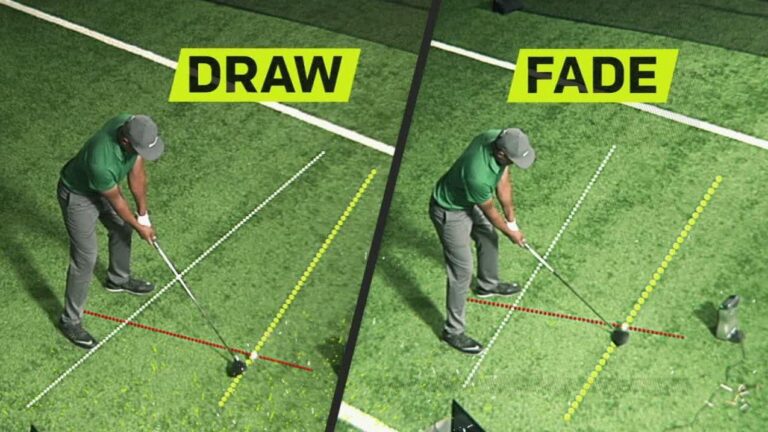
2. Swing Path and Face Control
Drivers exaggerate mistakes.
A slightly open clubface or outside-in path may still produce a decent iron shot—but with a driver, it turns into a slice.
Irons are more forgiving in this sense because of their shorter shaft and steeper swing.
Tempo and Timing
Your swing tempo affects everything.
- Faster tempo → often helps driver distance but hurts iron precision
- Slower tempo → improves iron contact but may reduce driver performance
This imbalance creates the feeling that only one part of your game is “on” at a time.
4. Mental Approach
This is often overlooked.
With a driver, many golfers try to hit harder. With irons, they tend to focus more on control.
That difference alone can change your swing without you realizing it.
How This Connects to Your Swing Style
If you’ve read our previous posts on Body Turn vs Arm Swing, this becomes even clearer.
👉 A body-driven swing tends to stabilize low point and consistency
👉 An arm-dominant swing can create timing-dependent results
This is why some golfers feel “streaky”—their swing depends too much on perfect timing.
How to Fix This Inconsistency
You don’t need two different swings—you need one reliable pattern.
Simple Tips:
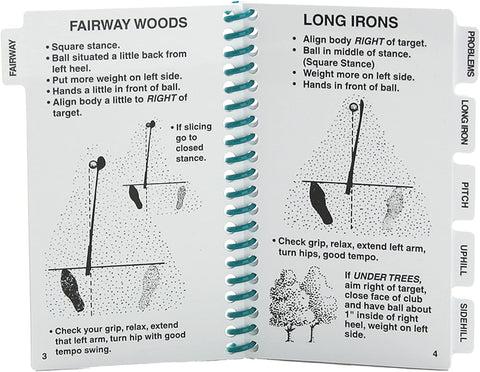
- Focus on consistent setup (ball position matters)
- Control your tempo—don’t swing harder with the driver
- Practice both clubs in the same session to balance feel
- Use half swings to reset contact
The goal is to make your swing less dependent on perfect timing.
CrazyGolfLab Insight
As an amateur golfer, this is something I’ve struggled with constantly.
The biggest realization?
It’s not that your swing is completely different day to day—it’s that small misses show up differently depending on the club.
Golf isn’t about being perfect.
It’s about reducing the gap between your good shots and your bad ones.
If you can make your “bad” shots better, your game will improve faster than chasing perfect swings.
Stay consistent, keep it simple, and enjoy the process.
If you’re still trying to understand the fundamentals, check out our guide on Body Turn Swing vs Arm Turn Swing to build a solid foundation.You can also see how professionals apply these concepts in our post on Body Turn vs Arm Swing in Pro Golf.