Draw vs Fade: Which Shot Shape Should Amateur Golfers Trust?
Draw vs Fade
Understanding the Difference Between Draw and Fade
Draw vs Fade
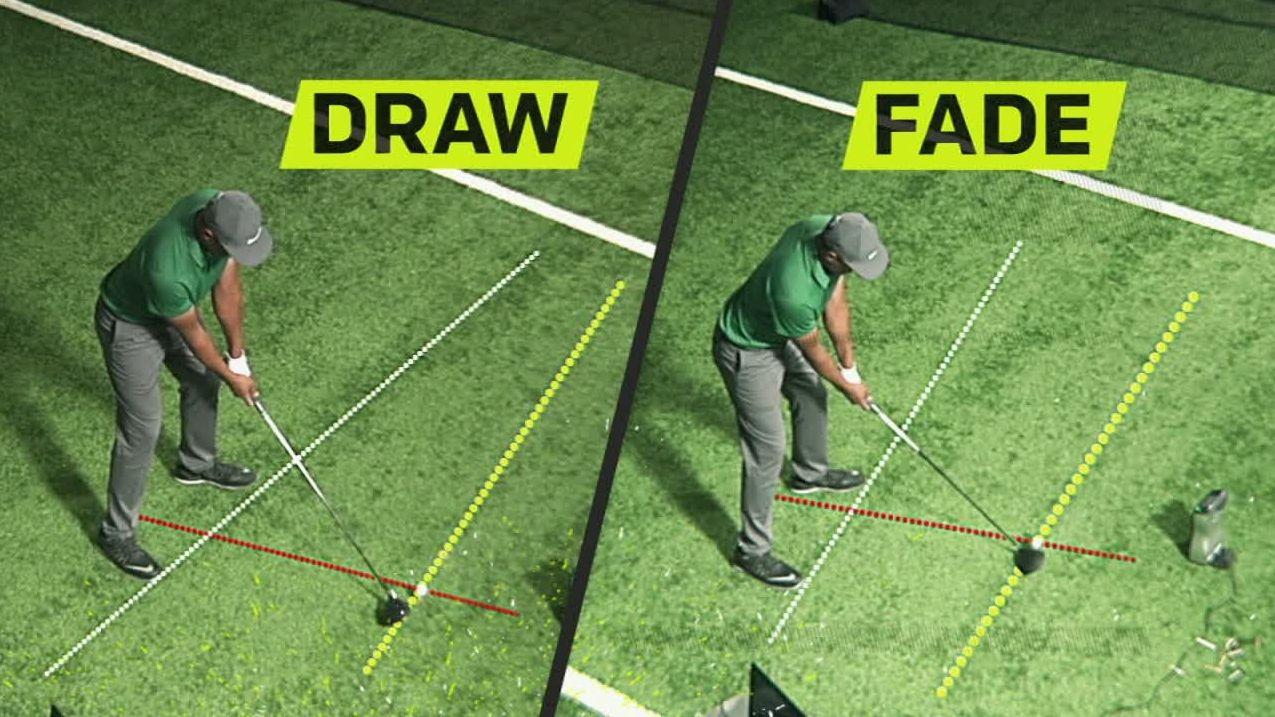
In golf, a draw curves gently from right to left (for right-handed players), while a fade moves from left to right. Both are controlled shot shapes used by professionals, but for amateurs, the difference goes far beyond ball flight—it directly affects consistency and confidence. Many players chase a draw because it’s often associated with power, but that doesn’t mean it’s the right choice for everyone.
Why Amateurs Struggle With Shot Shape Control


6
Most amateurs don’t actually hit a true draw or fade—they hit a slice or a hook. The difference lies in control. A controlled shot shape requires managing both clubface angle and swing path. Without that control, trying to “force” a draw often leads to big hooks, while attempting a fade can turn into a weak slice. This inconsistency is one of the biggest scoring killers on the course
Draw: Power With Risk
A draw typically produces more roll and distance because of its lower spin. That’s why many golfers are drawn to it. However, the margin for error is smaller. If the clubface closes too much, the ball can quickly turn into a hook and miss far left. For amateurs, this often creates fear and inconsistency, especially under pressure.
Fade: Control and Reliability


8
A fade is generally easier to control because it relies on a slightly open clubface with a stable swing path. The ball tends to land softer with more spin, making it easier to manage on approach shots. That’s why many top players prefer a fade when accuracy matters. For amateurs, a fade often leads to more fairways hit and fewer big misses.
Which One Should You Choose?
Instead of asking which shot is “better,” ask which one is more repeatable. Most amateurs benefit from building a reliable fade first because it minimizes big mistakes. Once control improves, developing a draw becomes much easier and safer.
Commitment Is More Important Than Shape
No matter which shape you choose, the real key is commitment. Many amateurs stand over the ball unsure—trying to hit a draw but fearing a hook, or aiming for a fade but worrying about a slice. That indecision is what creates inconsistent contact and poor results. A committed swing with a clear intention will almost always produce a better outcome than a perfect technique with doubt. Over time, this commitment builds trust in your natural shot pattern and reduces mental errors on the course.
Crazygolflab Insight
At Crazygolflab, we emphasize one simple truth: clarity beats complexity. The moment you remove indecision and commit to one ball flight, your swing becomes freer and more athletic. Golf isn’t about controlling the ball perfectly—it’s about repeating a pattern you trust under pressure.
If you’re unsure where to start, choose the shot shape that misses in the safest direction on your home course and build everything around that. And remember, the goal isn’t to hit a perfect draw or fade—it’s to step up to every shot with a clear picture and zero hesitation.
As an amateur golfer myself, my honest feedback to all of you amateur golfers out there is, don’t think about the ball curve shape too much. In fact, try to hit it straight with zero spin first. Once you can start hitting the ball straight, then you can start learning how to curve the ball (draw vs fade) and that is when you start learning the course management skills to lower your scores. Until that stage, keep on practicing, keep up the good spirit, crazy golf is with you!